
Retinol Uglies Prevention: Understanding the Adjustment Phase
Starting a retinoid often triggers a temporary condition known as the “retinol uglies” – characterized by flaking, redness, and irritation. This occurs because retinoids accelerate cell turnover, pushing immature cells to the surface before the skin has adapted. Effective retinol uglies prevention begins by recognizing that this reaction is normal and manageable with the right techniques.
The key is to slow down and support the skin barrier. Rushing into daily use or high concentrations almost guarantees adverse reactions.
Instead, think of this as a gradual conditioning process lasting 4–12 weeks.
The Science of Buffering for Barrier Protection
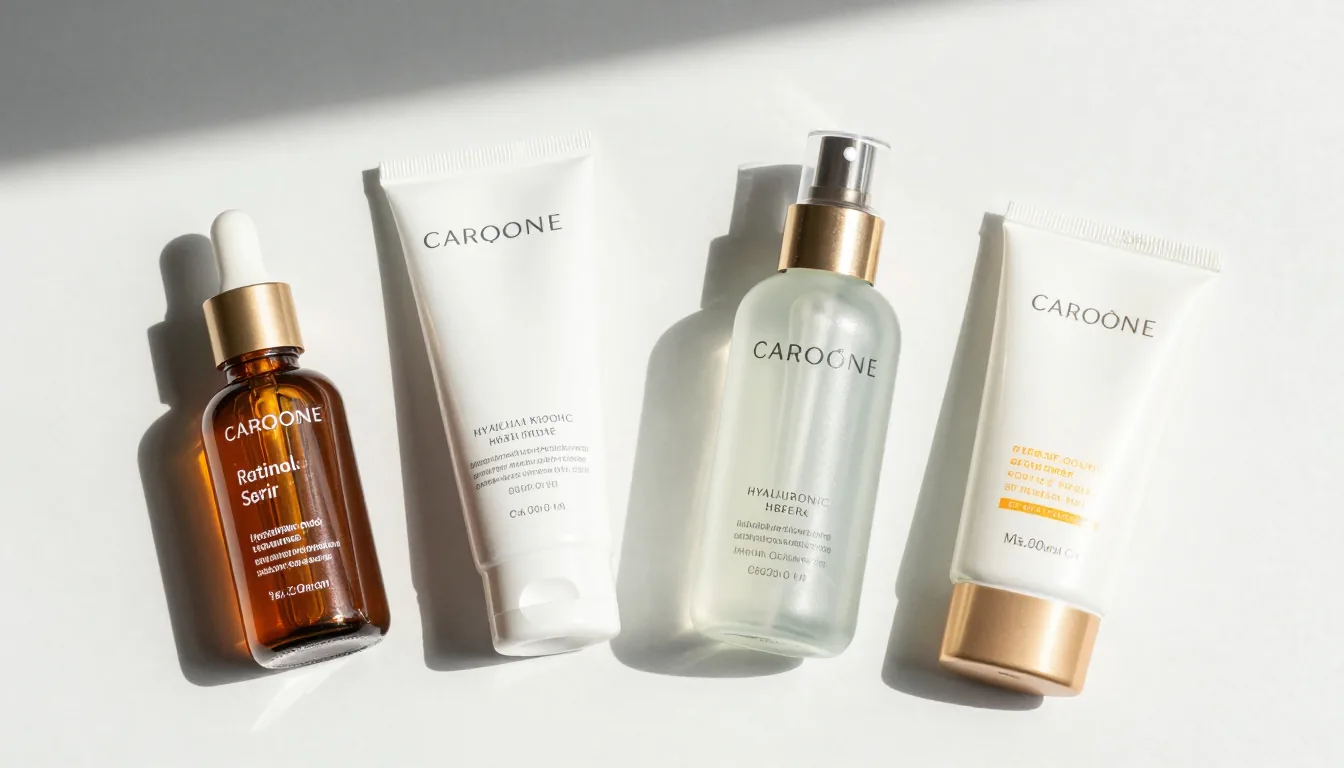
Buffering involves applying a moisturizer before your retinoid to dilute its absorption and reduce irritation. This technique is backed by dermatological consensus: a study found that pre-moisturizing significantly decreases retinoid-induced erythema without compromising efficacy. For more details, read this dermatologist guide on retinoids.
For sensitive zones like the nasolabial folds and eye area, consider the “sandwich method”: moisturizer, retinoid, then another layer of moisturizer. Buffering is a proven method for retinol uglies prevention.
Adjusting Frequency: The “Once a Week” Rule
A key component of retinol uglies prevention is starting with one application per week, then slowly increasing to every other night over 4–6 weeks. This gradual ramp-up allows your skin to build tolerance without overwhelming it.
Listen to your skin: if you experience tightness or stinging, take a night off and focus on hydration. You can also use the “skin cycling” approach: one night retinoid, one night exfoliant, two nights rest.
Barrier Support Ingredients to Counteract Irritation
Strengthening the skin barrier is non-negotiable for retinoid tolerance. Look for moisturizers with ceramides, cholesterol, and fatty acids to repair the lipid matrix.
Incorporating these ingredients is a cornerstone of retinol uglies prevention.
Niacinamide (2–4%) reduces inflammation; avoid higher concentrations that may sting. Panthenol and allantoin soothe redness, while squalane provides lightweight hydration.
Avoid layering other actives until your skin fully adapts.
When to Use Occlusives
At night, consider a thin layer of petrolatum over your moisturizer on non-retinoid nights. This locks in moisture and speeds barrier repair.
However, do not occlude over retinoid as it can increase irritation.
Product Jiggers: Concentration and Formulation
Opt for encapsulated or time-release retinoids, which diffuse slowly and cause less irritation. Product selection is critical for retinol uglies prevention: start with 0.01%–0.03% retinol or a prescription-strength retinoid diluted by mixing with moisturizer. Formulation matters: a retinoid in a vehicle with anti-inflammatory ingredients can ease the transition.
Always patch test before full-face use. Consider consulting a dermatologist for personalized advice. For more guidance, explore our Beauty & Skincare category.
Lifestyle Habits to Support Retinoid Tolerance
Your diet and sleep quality directly impact skin barrier health. Omega-3 fatty acids from fish or flaxseed reduce inflammation, while antioxidants like vitamin C support repair.
Aim for 7–9 hours of sleep to allow skin regeneration.
Stress management is equally important: high cortisol levels impair barrier function. Practices like meditation or gentle exercise can lower stress.
These habits complement retinol uglies prevention efforts.
Hydration and Sun Protection: Non-Negotiables
Hydrated skin handles retinoids better. Incorporate humectants like glycerin and hyaluronic acid in your daytime routine.
Hydration plays a vital role in reducing transepidermal water loss.
Sun protection is mandatory: retinoids increase photosensitivity, so use a broad-spectrum SPF 30+ daily, even indoors. Mineral sunscreens with zinc oxide are less likely to irritate. For sunscreen recommendations, see this EWG sunscreen guide.
When to Pause and Reassess
If you develop persistent burning, swelling, or broken skin, stop all actives and focus on barrier repair for 1–2 weeks. Resume with a lower concentration or longer interval. Patience is key for successful retinol uglies prevention.
Once your skin tolerates retinoid without reaction, you can gradually increase frequency or strength. This patient approach yields smoother, more resilient skin. For more advanced skincare guidance, explore our Beauty & Skincare category.