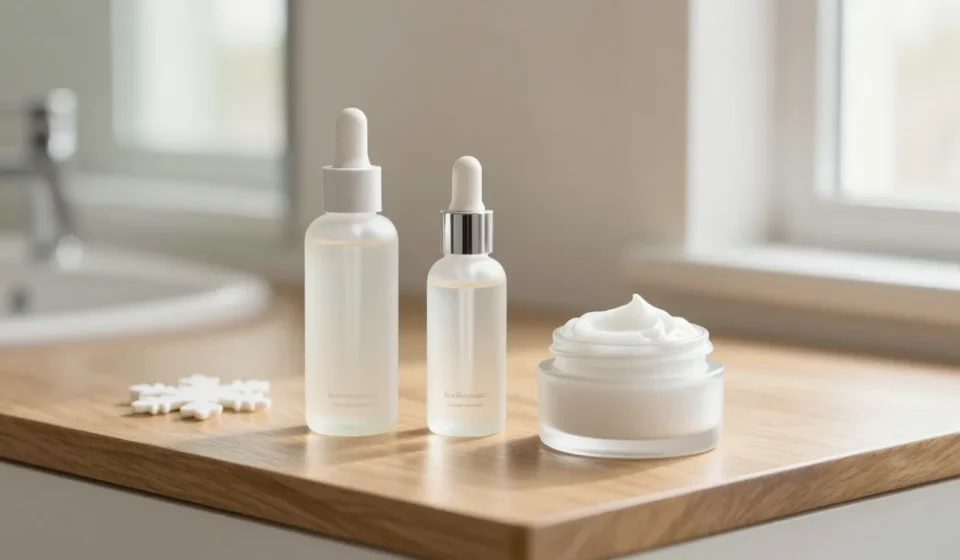

Why Winter Demands a Modified Approach
Cold air and indoor heating strip moisture from your skin, weakening the barrier. Your winter exfoliation routine must account for this fragility to prevent irritation.
Acids accelerate cell turnover, but in dry conditions, even mild formulas can cause redness and flaking.
Understanding the science behind winter skin helps you make smarter choices. Low humidity reduces the skin's natural water content, making it more susceptible to transepidermal water loss.
This is why a one-size-fits-all routine fails in colder months.
Reducing Exfoliation Frequency: A Critical Shift
Most skin types can tolerate chemical exfoliation 3–4 times per week in summer. In winter, cut back to 1–2 sessions to avoid disrupting the lipid barrier.
Listen to your skin: if it feels tight after cleansing, you are likely overdoing it. A successful winter exfoliation routine hinges on finding that sweet spot.
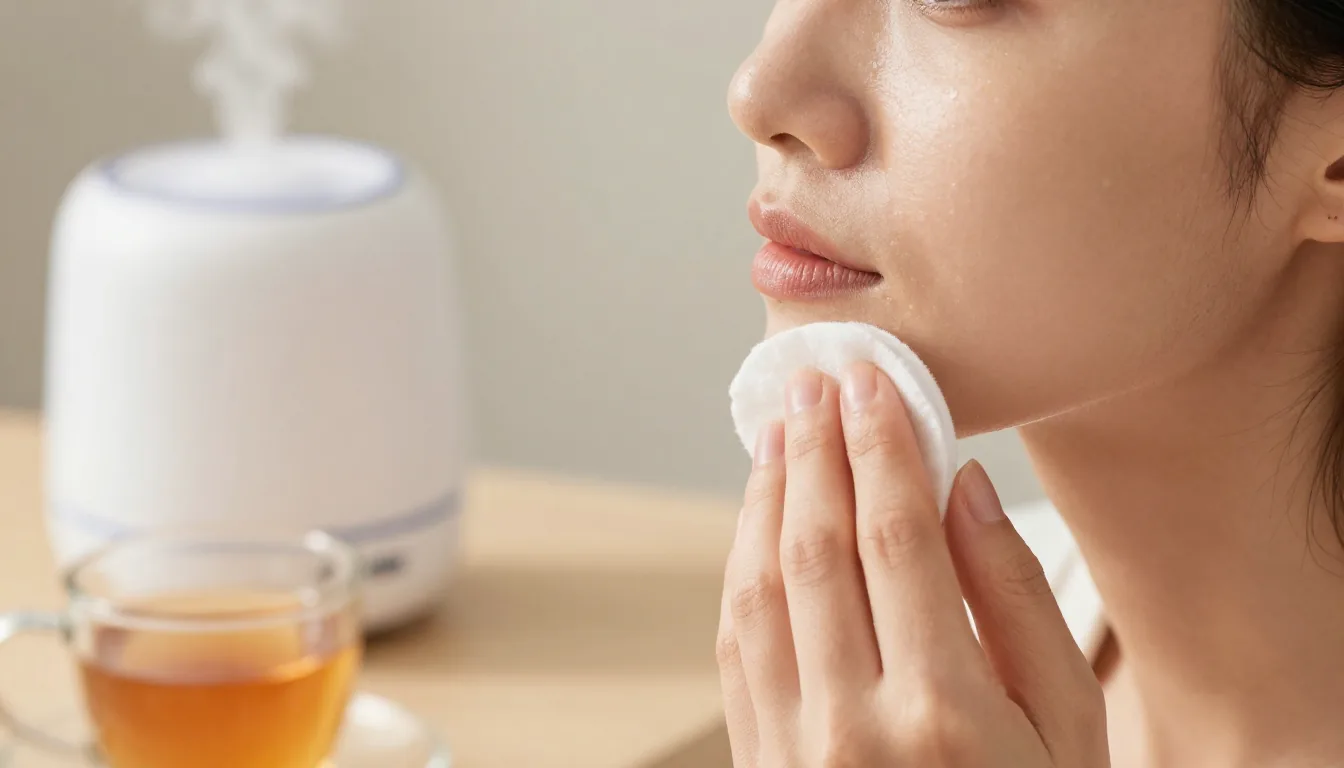
Cold-Weather Acid Adjustments
Different acids behave differently in dry air. Glycolic acid, being smaller, penetrates deeper and can be more irritating.
Opt for larger-molecule acids like lactic or gluconolactone (PHA) for gentler exfoliation.
Always dilute your acid toner with a hydrating essence if you feel any sting. This lowers the concentration while still promoting cell turnover.
Your skin will thank you for the extra care.
Hydration-First: Layering Moisture Around Acids
Always apply exfoliating acid to clean, damp skin to reduce penetration speed. Follow immediately with a hyaluronic acid serum and a ceramide-rich moisturizer.
This sandwich method buffers irritation and locks in hydration. In a smart winter exfoliation routine, hydration is the priority.
Incorporating a hydrating toner before your acid can also prep the skin. Look for ingredients like glycerin, sodium PCA, or beta-glucan.
These humectants draw water into the skin, counteracting the drying effects of indoor heating. A well-hydrated base makes your winter exfoliation routine much more comfortable.
Signs You’re Over-Exfoliating in Winter
Persistent redness, a shiny look (compromised barrier), and stinging when applying moisturizer are red flags. If you notice these, pause all acids for at least a week.
Focus on barrier repair with ingredients like panthenol and niacinamide. Your winter exfoliation routine should be paused until skin recovers.
Another sign is increased breakouts due to micro-tears in the barrier. When the barrier is damaged, bacteria can penetrate more easily.
Give your skin a break and use only soothing, hydrating products until it recovers. Over-exfoliation is the most common mistake in a winter exfoliation routine.
Barrier-Safe Exfoliation Schedules
Create a weekly plan that alternates exfoliation days with repair days. For example, exfoliate on Monday and Thursday, then use a rich mask with oats or honey on Tuesday.
This rhythm supports both renewal and recovery. A balanced winter exfoliation routine includes dedicated rest days.
Introduce new acids slowly. Start with once a week for two weeks, then increase to twice if no irritation occurs.
Patience is key to maintaining a healthy winter skin. This gradual approach is the foundation of any safe winter exfoliation routine.
Winter Exfoliation Routine: Final Checklist
Switch to a gentle PHA or low-concentration lactic acid. Apply after cleansing, wait 2 minutes, then layer a hydrating toner and thick moisturizer.
Use a humidifier at night to maintain skin moisture. Always pair with sunscreen, as acids increase photosensitivity even in cloudy winter.
Following a consistent winter exfoliation routine yields the best results.
Don't forget your neck and chest. These areas are also exposed and can benefit from gentle exfoliation.
Keep the same reduced frequency to avoid irritation on thinner skin. Customize your winter exfoliation routine to fit your unique skin type.
For more science-backed strategies, explore our Beauty & Skincare archive. External resources: American Academy of Dermatology, Skin Barrier Function, Moisturizer and Barrier Repair.