Why Active Aerodynamics Matter: From Deployable Spoilers to Smart Grille Shutters

The Science of Drag Reduction
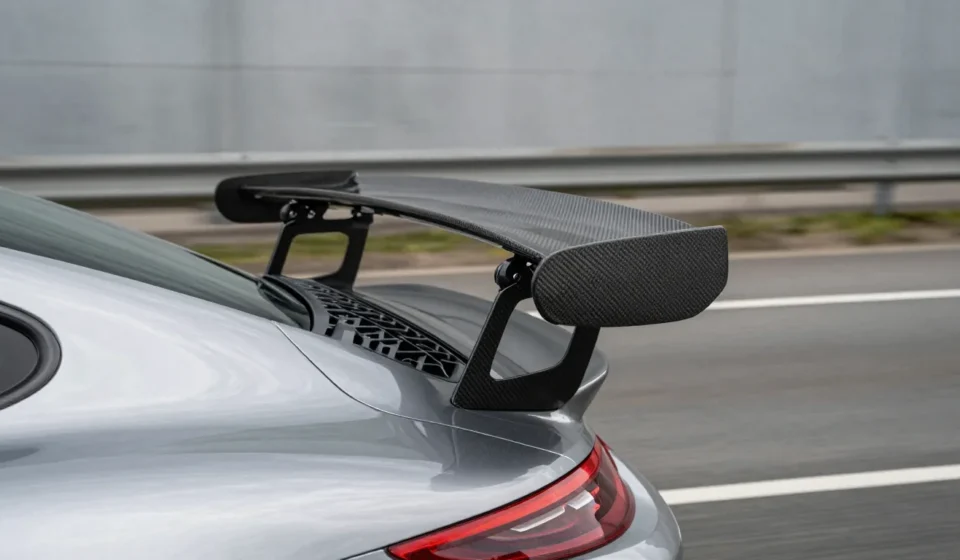
Active aerodynamics benefits extend beyond simple drag reduction. Moving elements like rear spoilers and front splitters adjust shape dynamically to optimize airflow at different speeds.
At low speeds, a retracted spoiler minimizes drag for efficiency; at high speeds, it extends to reduce lift and improve stability.
The principle is simple: aerodynamic drag increases with the square of velocity. A deployable spoiler can reduce drag coefficient by up to 0.03 at highway speeds, translating to a 5-7% improvement in fuel economy.
These active aerodynamics benefits are confirmed by real-world tests.
Thermal Management via Grille Shutters
Cooling is often at odds with aerodynamics. A closed grille reduces drag but can cause overheating.
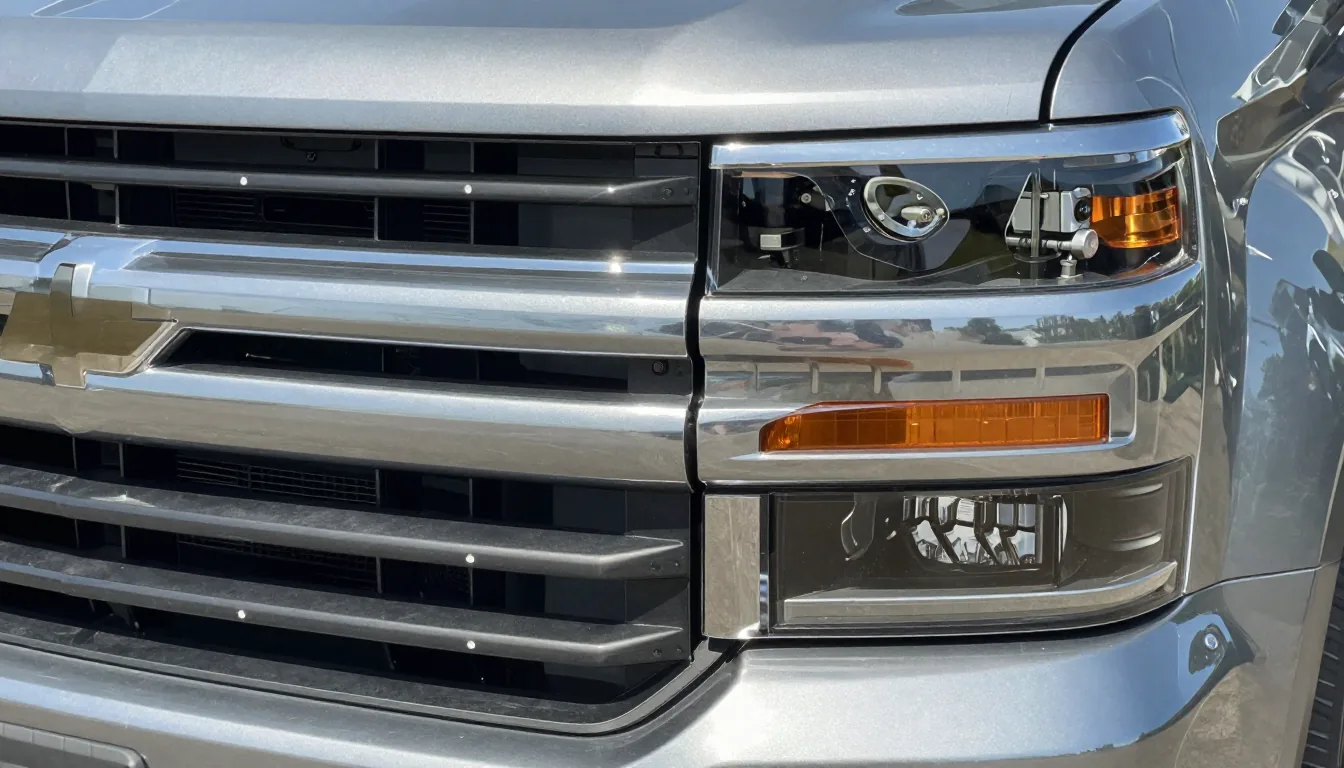
Active shutters solve this by opening only when engine temperature demands it, striking a balance between drag reduction and thermal performance.
General Motors has implemented active grille shutters across many models. For example, the Chevrolet Silverado uses them to improve highway fuel economy by up to 1 mpg.
The system uses electric actuators that respond to coolant temperature, vehicle speed, and AC load, delivering active aerodynamics benefits even in trucks.
Porsche uses a similar approach on the Panamera and Cayenne. Their shutters are positioned behind the front bumper and can close completely at speed, reducing drag by 0.05 Cd.
When additional cooling is needed for the engine or brakes, they open automatically.
Active Aerodynamics Benefits for Real-World Efficiency
The overall benefit of active aerodynamics is a combination of drag reduction and improved cooling. On the highway, a car with active grille shutters and a deployable spoiler can see a 10-15% reduction in aerodynamic drag compared to a passive design.
This leads to tangible fuel savings: at 70 mph, reducing drag by 10% improves fuel economy by about 5%. For a car averaging 30 mpg, that's an extra 1.5 mpg—enough to save $500 over 100,000 miles.
These active aerodynamics benefits make a strong case for adoption.
Performance benefits are equally important. Reduced lift and improved stability at high speeds make the car safer and more enjoyable to drive.
Active elements also allow designers to create sleeker shapes that would otherwise compromise cooling.
Porsche’s Active Aero Systems
Porsche is a leader in active aerodynamics. The 911 Turbo features a multi-stage rear spoiler that extends at 75 mph and tilts for additional downforce.
At higher speeds, the spoiler angle increases to maximize stability without excessive drag.
The Porsche 918 Spyder goes further with active flaps in the underbody and a deployable rear diffuser. These elements work together to balance downforce and drag, allowing the car to achieve a Nürburgring lap time under 7 minutes.
Porsche's implementation showcases active aerodynamics benefits through sophisticated control algorithms.
Key specifications: the 911 Turbo’s spoiler reduces lift by 60% at top speed. The active front spoiler on the Panamera reduces front axle lift by 30%, improving steering response at high velocities.
GM’s Smart Grille Shutters
General Motors has deployed active grille shutters on a wide range of vehicles, from the Chevrolet Cruze to the GMC Sierra. The system consists of plastic vanes that pivot open or closed.
When closed, air is directed over the hood and around the sides, reducing drag by up to 5%.
On the Chevrolet Volt, active shutters improve aerodynamic efficiency and help manage battery cooling. The shutters close at highway speeds to reduce drag, and open when the battery needs cooling or when the engine runs.
GM's data confirms active aerodynamics benefits with a 5% drag reduction.
GM claims that active shutters save about 0.5 liters of fuel per 100 km on average. For a truck like the Silverado, that translates to a real-world improvement of 1-2% in fuel economy—significant given the large frontal area.
Final Considerations
Not all active aero systems are equal. Look for cars that use real-time data from sensors (speed, temperature, steering angle) to adjust elements continuously.
Systems that only deploy at fixed speeds are less effective.
Maintenance is minimal: electric motors and hinges can fail, but most systems are reliable for the life of the car. If you drive mostly at low speeds, the benefits are small—active aero shines on highways and at speed.
When evaluating a car, consider the active aerodynamics benefits relative to your driving conditions.
For enthusiasts, cars like the Porsche 911 or Chevrolet Corvette (which uses a front splitter and rear spoiler that adjusts) offer the best integration. For everyday drivers, GM’s active shutters provide a solid efficiency boost without complexity.
For more expert analysis, visit our Automotive & Mobility section. For detailed aerodynamic data, check Porsche Engineering and GM Innovation.