
Understanding Sway Bar Upgrade Benefits Through Physics
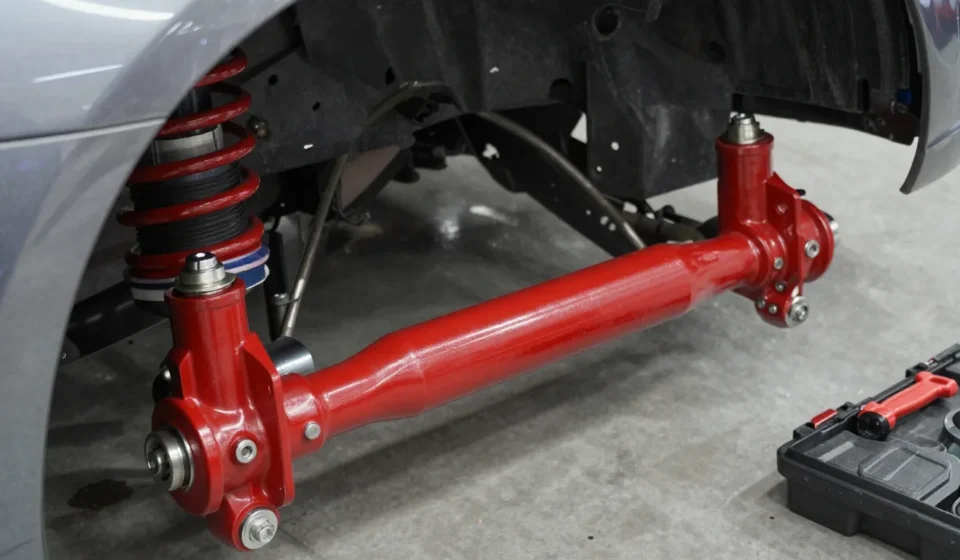
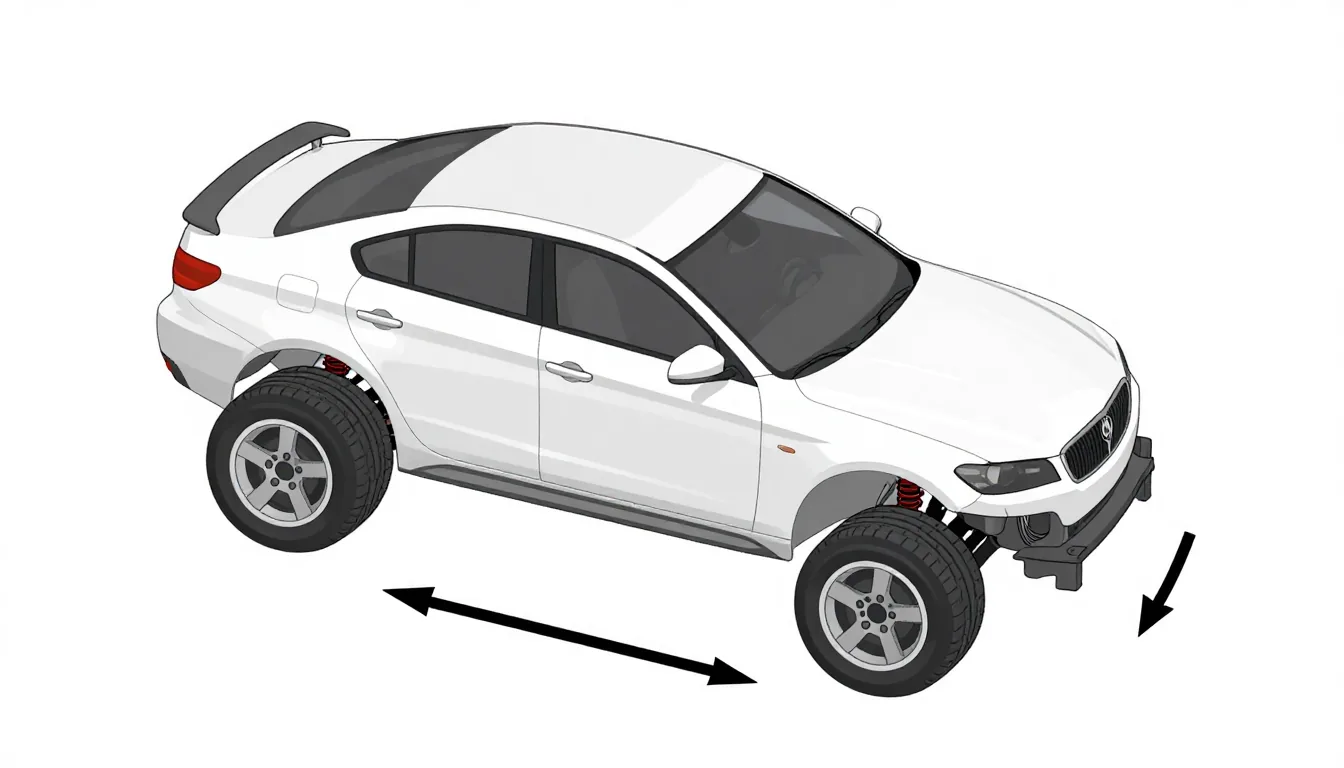
The sway bar upgrade benefits start with a simple physics principle: sway bars—also called anti-roll bars—connect the left and right wheels through a torsion spring. Their job is to resist the twisting motion when one wheel moves relative to the other, which directly controls body roll during cornering.
Excessive roll shifts weight diagonally, reducing tire contact patch area and limiting lateral grip. A stiffer sway bar increases roll stiffness, keeping the chassis flatter and tires more evenly loaded.
Most factory sway bars are designed for comfort and understeer as a safety margin. They are typically hollow, thin, and made of mild steel.
Aftermarket units use thicker solid bars, higher-grade alloys, or adjustable end links to fine-tune stiffness. The result is a measurable reduction in roll angle—often 30–50%—without the ride harshness of stiffer springs.
This fundamental improvement is what makes sway bar upgrade benefits so appealing to enthusiasts.
Roll Stiffness Distribution and Handling Balance
Changing only the front or rear sway bar alters the car's handling balance. Increasing front roll stiffness transfers more load to the outside front tire, promoting understeer.
Conversely, a stiffer rear bar shifts load to the outside rear tire, inducing oversteer. This allows drivers to tune corner entry and exit behavior without touching springs or dampers.
For example, a front-wheel-drive car that plows into corners can be balanced with a larger rear bar to rotate the chassis. A rear-drive car that oversteers too easily may benefit from a stiffer front bar.
Adjustable sway bars offer multiple mounting holes, allowing fine adjustment of leverage and stiffness. This tunability is one of the key sway bar upgrade benefits for track or autocross use, as it gives precise control over chassis balance.
Practical Installation and Material Considerations
Aftermarket sway bars are typically made from 4140 chromium-molybdenum steel or 6061 aluminum. Chrome-moly bars offer the best strength-to-weight ratio but cost more.
Aluminum bars are lighter but may flex more under extreme loads. Look for bars with zinc plating or powder coating to resist corrosion.
Solid bars are stiffer than hollow of the same diameter, but hollow bars with thicker walls can match stiffness at lower weight.
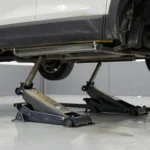
Installation requires jacking the car, removing the old bar and end links, and installing the new bushings and brackets. Grease fittings on polyurethane bushings reduce noise.
Torque all fasteners to spec—overtightening can bind the bar. Upgraded end links with spherical bearings eliminate compliance and increase precision.
Expect 1–2 hours per axle for a DIY install. These steps ensure you fully realize the sway bar upgrade benefits in real-world driving.
Real-World Performance Gains
On a 3,200-lb sports car, a 22mm aftermarket front bar (vs. 19mm stock) reduced slalom speed drop by 0.3 seconds per 100 feet.
Lateral acceleration increased 0.05 g, and steering response felt immediate. The trade-off: sharper bumps transmit more through the chassis.
For a daily driver, a 25% stiffness increase is a sensible sweet spot. Too stiff a bar can lift the inside wheel in tight corners, reducing overall grip.
Always pair sway bar upgrades with proper damper settings. A stiffer bar increases the load on the outside damper; if the damper cannot control the extra roll energy, the car may bounce.
Consider adjustable dampers or a comprehensive suspension re-valve. For most drivers, the sway bar upgrade benefits clearly outweigh the minor comfort loss, offering a better connection to the road.
Summary: What to Expect After Installation
- Reduced body roll: flatter cornering, more tire contact.
- Adjustable understeer/oversteer via front/rear stiffness tuning.
- Improved transient response (quicker direction changes).
- Minimal ride penalty if bar is not oversized.
- Cost-effective upgrade: $200–$500 per bar plus labor if needed.
To maximize the sway bar upgrade benefits, always consider the entire suspension system. For more suspension tuning insights, explore our Automotive & Mobility section.
Learn about sway bar physics from Suspension Secrets and real-world testing from Tire Rack’s Garage.