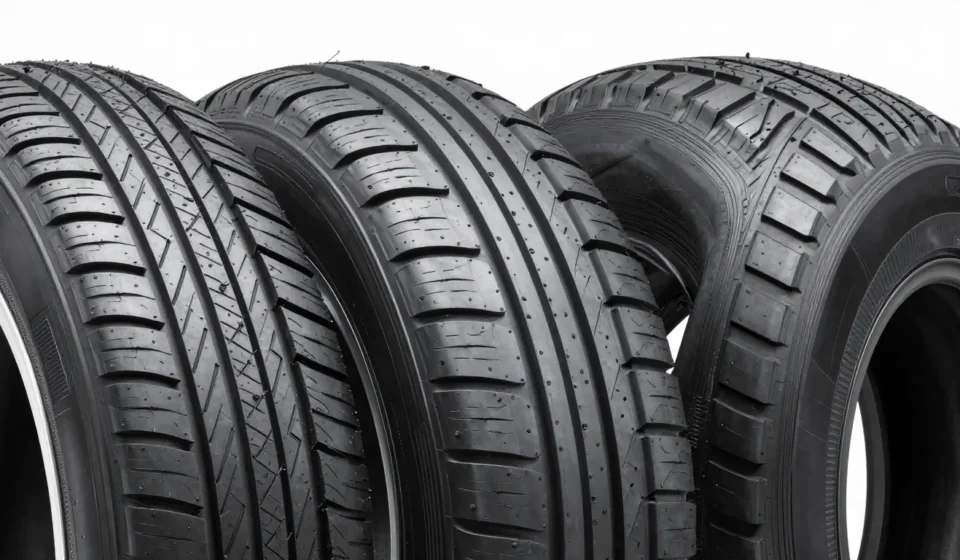
Tire Construction Unearthed: Bias vs Radial vs Run-Flat – Which Delivers the Best Performance?

Bias, Radial, and Run-Flat: Engineering Fundamentals
When selecting new tires, most drivers focus on tread patterns and size. However, the internal structure—the tire construction types—determines how the tire behaves under load, at speed, and in corners.
Three primary designs dominate the market: bias-ply, radial, and run-flat. Each has distinct engineering trade-offs affecting ride comfort, durability, and safety.
This guide breaks down their differences so you can match the right construction to your driving needs.
Bias-ply tires, also known as cross-ply, feature plies layered at 30–40 degree angles to the tread centerline. This crisscross pattern creates a stiff sidewall and robust casing, ideal for heavy loads and off-road applications.
However, they generate more heat at highway speeds and offer less steering precision than modern radials.
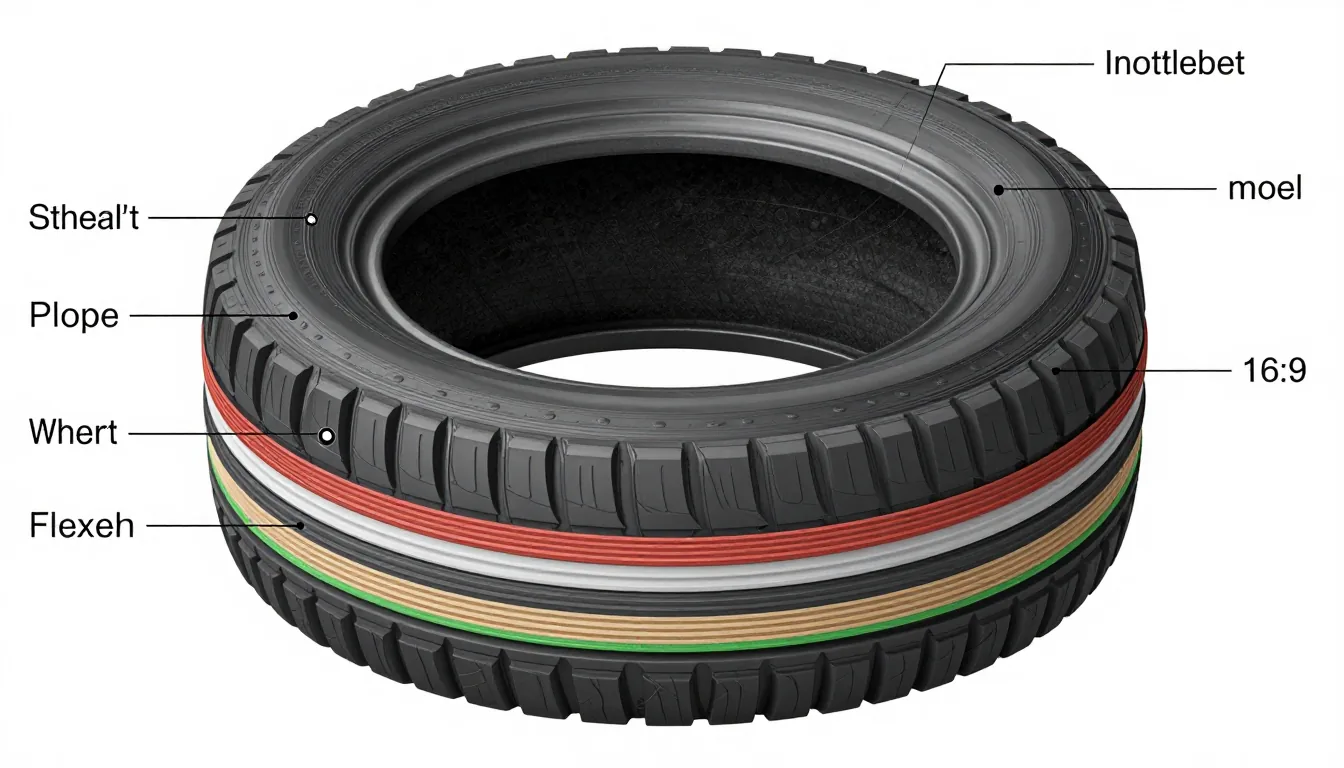
Bias-Ply: The Workhorse of Heavy Duty
Bias-ply construction uses multiple layers of nylon or polyester cord angled alternately. The overlapping plies increase sidewall strength, making these tires resistant to cuts and impacts.
They are common on trailers, agricultural machinery, and classic cars where top speed is low.
The trade-off: increased rolling resistance and a harsher ride on pavement. For daily drivers, bias-ply tires are rarely recommended.
Their tendency to deform at higher speeds leads to uneven wear and reduced fuel economy. If you tow heavy loads frequently, however, a bias-ply tire’s load capacity may justify the comfort penalty.
Always check your vehicle’s original equipment specifications before switching tire construction types.
Radial Construction: The Modern Standard
Radial tires, invented in 1946, revolutionized the industry. Here, ply cords run perpendicular to the tread—at 90 degrees—allowing the sidewall and tread to function independently.
This design reduces heat buildup and rolling resistance while improving grip and tread life. Over 98% of passenger vehicles today use radial construction.
The flexible sidewall of a radial tire absorbs road imperfections better than bias-ply, delivering a smoother ride. Combined with steel belts under the tread, radial tires offer superior high-speed stability and cornering grip.
They also dissipate heat more efficiently, making them safer for sustained highway driving.
When evaluating tire construction types, radials are the default choice for most drivers. They provide the best balance of performance, durability, and fuel efficiency.
However, their sidewalls are more vulnerable to curb damage and punctures compared to bias-ply tires. For extreme off-road use, some all-terrain radials incorporate reinforced sidewalls to address this weakness.
Run-Flat Tires: Safety at the Cost of Comfort
Run-flat tires are a specialized radial variant designed to support the vehicle’s weight even after a complete loss of air pressure. They feature reinforced sidewalls—often using additional rubber or insert rings—that allow limited driving (typically 50 miles at up to 50 mph) to reach a service station.
This eliminates the need for a spare tire.
The stiff sidewall of a run-flat tire compromises ride quality. Many drivers report a harsher impact over bumps and increased road noise.
Additionally, run-flat tires are heavier, reducing fuel economy slightly. They also require a Tire Pressure Monitoring System (TPMS) because damage is not visually obvious when deflated.
If you prioritize convenience and safety over ride comfort, run-flat tires are a valid choice. However, they are more expensive to replace and may not be repairable after a puncture.
Always confirm that your vehicle’s suspension is compatible with run-flat construction, as some models require specific tuning. Unlike other tire construction types, run-flat tires demand careful consideration.
How to Choose Among these tire construction types
Your decision should hinge on driving environment and vehicle purpose. For daily commuting and long highway trips, radial tires offer the best overall value.
For heavy towing or off-road work, bias-ply tires provide unmatched durability. If you lack a spare tire and want peace of mind, run-flat tires eliminate roadside vulnerability—but accept the comfort trade-off.
Before purchasing, consult your owner’s manual or the tire placard on the driver’s door jamb. It specifies the recommended tire construction type (usually “Radial”) and size.
Mixing construction types on the same axle is dangerous and can cause handling instability. Always replace tires in sets to maintain consistent behavior.
For more insights on tire selection and vehicle dynamics, explore our Automotive & Mobility category. External resources like Tire Rack’s tire school and the UTires bias vs radial guide offer detailed engineering data. Remember, the right tire construction types directly impact your safety and driving experience—choose wisely.