
The Physics of Cornering: How Torque Distribution Affects Grip
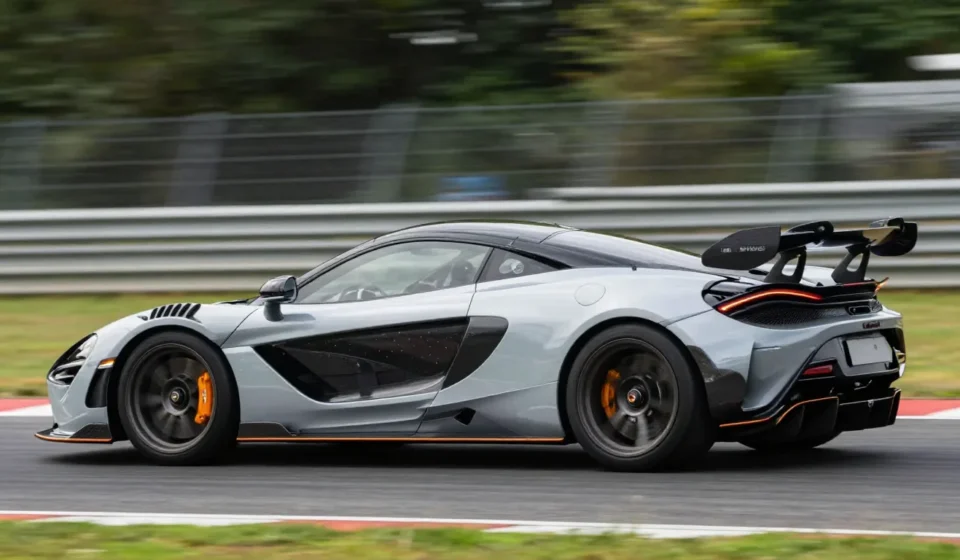
Torque vectoring handling solves the grip loss that occurs when a car enters a turn. Centrifugal force pushes weight to the outside wheels, reducing grip on the inside.
By actively distributing torque to the wheels with the most traction, torque vectoring handling creates a yaw moment that rotates the car into the corner.
Traditional open differentials send power to the wheel with least resistance, causing inside wheel spin and understeer. Limited-slip differentials improve traction but cannot actively vector torque.
Systems with torque vectoring use clutches, gears, or electric motors to overdrive the outside wheel, pulling the car through the turn.
Understeer vs Oversteer
Understeer occurs when the front wheels lose grip and the car goes wide. Torque vectoring handling can reduce understeer by sending more power to the outer rear wheel, which helps rotate the chassis.
Oversteer, where the rear slides out, can be mitigated by transferring torque to the front or inner wheel to stabilize the car.
Modern stability control systems use braking to mimic torque vectoring, but true torque vectoring differentials are more effective because they add power rather than scrubbing speed. This results in higher corner exit speeds and better overall grip.
The advantage of torque vectoring handling is clear in demanding driving conditions.
Mechanical Torque Vectoring: Audi Sport Differential
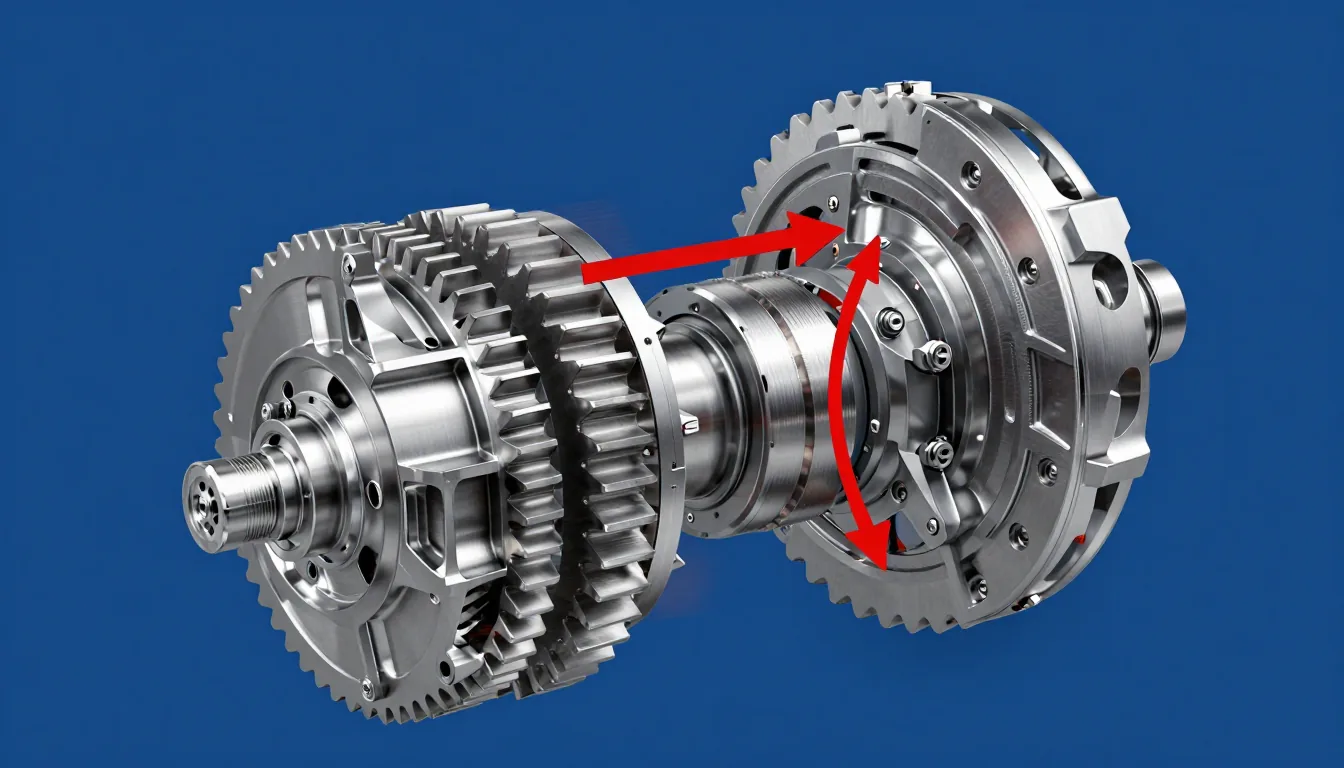
Audi’s Sport Differential is a rear-axle unit with two planetary gear sets and multiple clutches. When cornering, it can overdrive the outer rear wheel by up to 30% faster than the inner wheel.
This generates a yaw moment that actively steers the car into the corner, reducing steering effort and increasing stability.
The system works by engaging a clutch pack that redirects torque from the inner to the outer wheel via a compounding gear set. It can also work in reverse to reduce oversteer by sending power to the inner wheel.
Audi claims this improves lap times by up to 5 seconds on a 2-mile circuit, a prime example of how torque vectoring handling enhances performance.
BMW’s Dynamic Performance Control
BMW’s Dynamic Performance Control (DPC) uses two multi-plate clutches and a planetary gearset on the rear axle. It can vary torque distribution between the rear wheels independently, even applying torque to the inner wheel to create a stabilizing effect.
DPC is integrated with the stability control and can apply braking assist for even finer control.
Unlike Audi’s system, BMW’s DPC also works in conjunction with all-wheel drive in xDrive models, allowing torque vectoring between front and rear axles. This provides a balanced chassis response that reduces understeer in tight corners.
Both systems illustrate the principles of torque vectoring handling.
Electric Torque Vectoring: Instant, Precise Control
Electric vehicles offer the ultimate torque vectoring potential because each wheel can be controlled independently via individual motors. With no mechanical differential, torque can be changed in milliseconds, enabling features like torque vectoring by braking (e.g., Tesla’s Track Mode) or dual-motor setups.
The precision of electric torque vectoring handling is unmatched.
For example, the Rivian R1T uses four motors, one per wheel, to precisely manage torque. This allows it to perform tank turns and combine torque vectoring with regenerative braking.
The Rimac Nevera uses similar technology to achieve 0-60 mph in 1.85 seconds while retaining superb cornering agility, demonstrating the future of torque vectoring handling.
Example: Tesla Model 3 Track Mode
Tesla’s Track Mode uses the car’s dual motors and stability system to apply torque vectoring via braking and motor control. The system can adjust the front-to-rear torque split and use regenerative braking on the inside wheels to induce yaw.
This gives the driver the ability to adjust oversteer bias via a sliding scale in the infotainment system.
The result is a car that feels more rear-wheel-drive and playful, yet remains controllable because the system can instantly correct mistakes. In essence, electric torque vectoring handling democratizes performance, making even novice drivers feel like professionals.
The integration of torque vectoring handling in EVs is revolutionizing driving dynamics.
Torque Vectoring Handling in Action: Real-World Driving Dynamics
The primary benefit of torque vectoring handling is improved cornering speed and stability. On a racetrack, this translates to faster lap times because the car can carry more speed through corners without understeering.
On public roads, it enhances safety by reducing the likelihood of losing control during emergency maneuvers.
Drivers often report that torque vectoring handling makes the car feel more “planted” and responsive to steering inputs. It also reduces tire wear because the system prevents inside wheel spin and optimizes traction distribution.
However, the effect is most noticeable in high-performance driving; during normal commuting, the system operates subtly. For enthusiasts, the benefits of torque vectoring handling are transformative.
The Downsides: Weight, Complexity, Cost
Torque vectoring differentials are heavy and expensive. A mechanical unit like Audi’s adds about 30 kg to the rear axle, affecting fuel economy and acceleration.
The complexity also means higher maintenance costs and potential failure points. In EVs, the multiple motors add cost and weight, though the packaging benefits can offset this.
For most drivers, the improvement in handling may not justify the premium. Automotive & Mobility enthusiasts often argue that a good limited-slip differential plus driver skill can achieve similar results.
However, for those seeking the absolute fastest lap times or the safest all-weather handling, torque vectoring handling is a proven technology. External resources: Audi Sport Differential and BMW DPC provide technical details. For EV systems, Tesla Track Mode explains the implementation.