The Surprising Science Behind Slugging: Unlocking Petrolatum’s Moisture-Locking Power

The Occlusive Mechanism Behind Slugging
Slugging skincare benefits have gained widespread attention for their ability to transform dry, compromised skin. The technique relies on petrolatum to create a physical seal that prevents water loss.
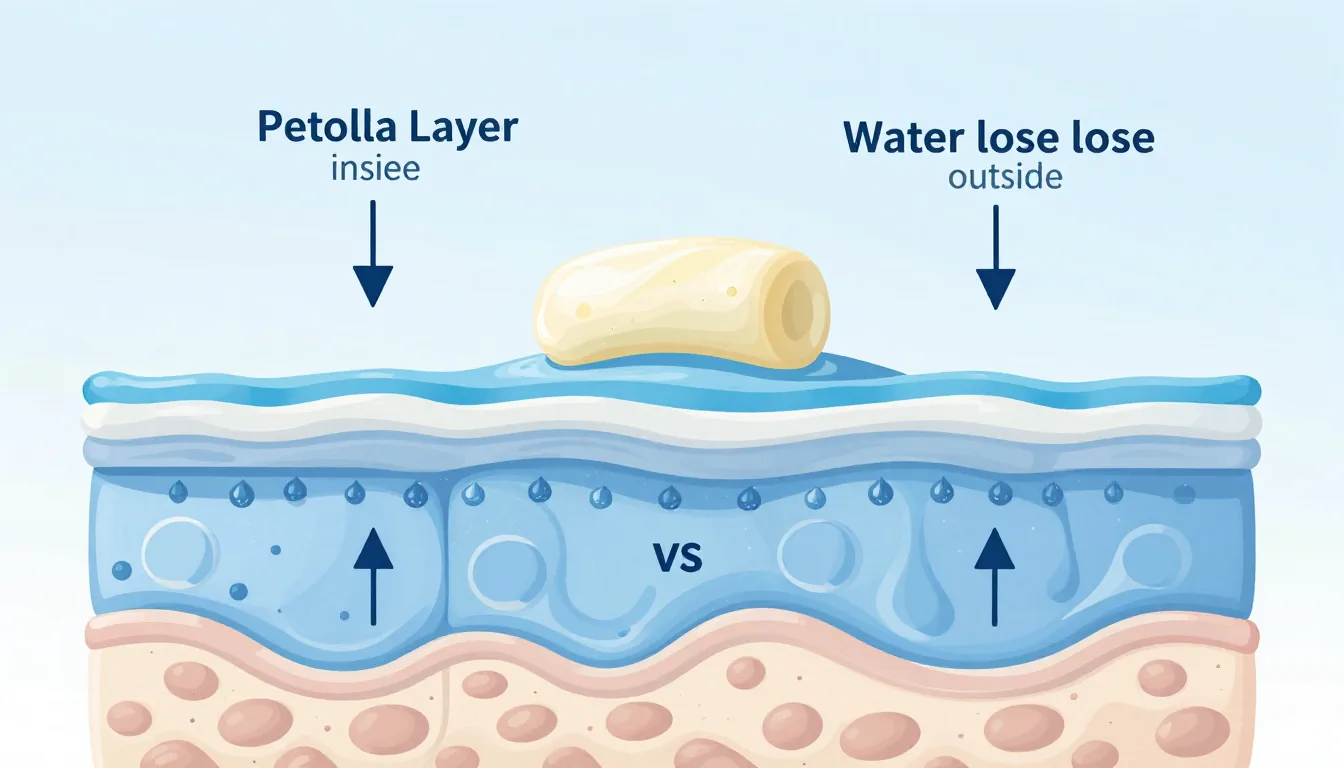
Petrolatum forms a semi-permeable film that blocks transepidermal water loss (TEWL). Unlike humectants that draw water from the environment, occlusives like petrolatum work as a sealant, trapping moisture in the stratum corneum.
This barrier function is crucial for maintaining hydration and resilience.
Clinical studies show that petrolatum can reduce TEWL by over 99% within hours of application. This intense occlusion also encourages lipid synthesis, helping the skin rebuild its natural barrier for long-term benefits.
The molecular weight of petrolatum ensures it sits atop the skin without penetrating deeply.
Slugging Skincare Benefits for Barrier Repair
The primary slugging skincare benefits center on barrier restoration. By preventing moisture evaporation, petrolatum allows the skin to repair itself more efficiently, reducing inflammation and roughness.
Many users report a visible improvement in skin texture after just a few nights.
Research indicates that regular slugging can significantly improve barrier function within weeks. This makes it ideal for those with compromised barriers from over-exfoliation, retinoids, or harsh weather conditions.
It also soothes irritation and calms redness effectively.
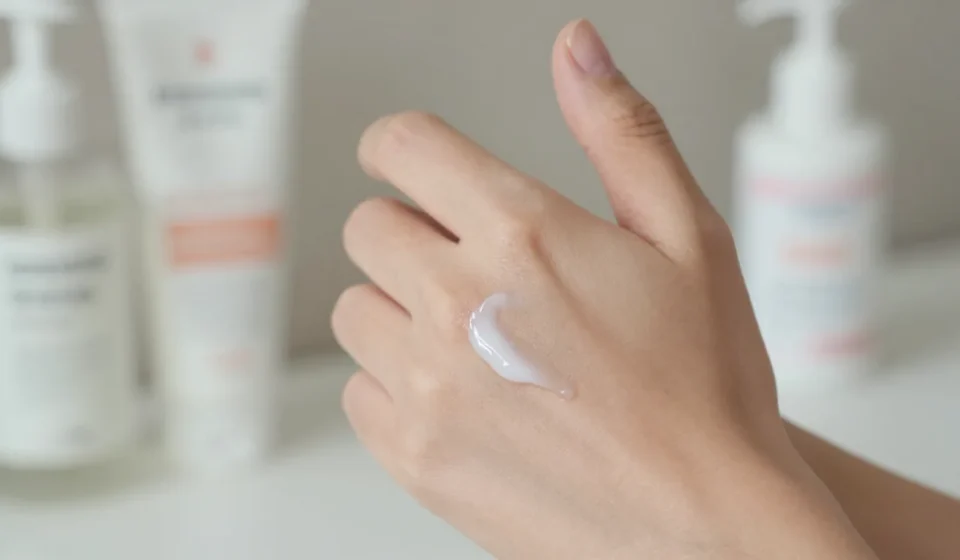
For best results, apply a pea-sized amount of pure petrolatum as the final step in your nighttime routine. Ensure skin is clean and damp to lock in extra hydration without clogging pores.
Consistency is key for optimal outcomes.
When to Incorporate Slugging into Your Routine
To maximize slugging skincare benefits, reserve it for nighttime use. The thick layer can interfere with makeup and sunscreen, so it is best applied before bed during colder months or in dry climates.
Sleeping with a humidifier can further enhance results.
Individuals with tight, flaky, or stinging skin will see the most dramatic improvements. However, those with acne-prone or oily skin should avoid slugging, as occlusion may trap bacteria and lead to breakouts.
Always consider your skin type before starting.
If you have oily skin, consider lighter occlusives like dimethicone or squalane. Always patch test first to ensure your skin tolerates the treatment without adverse reactions.
Slugging once or twice a week is a good starting point for beginners.
Step-by-Step Guide to Slugging Correctly
One of the key slugging skincare benefits is its simplicity. Start with a gentle cleanser, apply a hydrating toner or serum, then a moisturizer, and finally seal with a thin layer of petrolatum.
This layering locks in all previous products.
Avoid layering strong actives like retinol or acids directly under petrolatum, as this can increase irritation. Instead, use a gentle moisturizer before sealing.
Begin with once a week and gradually increase frequency as your skin adapts, monitoring for any sensitivity.
Remember, a little goes a long way—too much can feel sticky and disrupt sleep. For extra hydration, use a humidifier in your bedroom to boost overall moisture levels.
Choose a petrolatum brand that is pure and free of additives to avoid irritation.
Potential Downsides and Who Should Avoid It
Despite its many slugging skincare benefits, the technique is not for everyone. Those with rosacea or very sensitive skin may experience heat buildup or stinging from the occlusion.
It can also trap heat and cause flushing in some individuals.
Petrolatum can stain pillowcases and may cause milia if used too frequently. Alternative occlusives like shea butter or dimethicone offer similar benefits with less risk of congestion for certain skin types.
These alternatives may be better for combination skin.
Always patch test before full-face application and consult a dermatologist if you have persistent dryness. For more Beauty & Skincare insights, professional guidance can help tailor the technique to your needs.
Research supports that regular slugging can reduce water loss and improve barrier function. This study highlights petrolatum’s efficacy, while the American Academy of Dermatology offers additional guidance. Incorporate slugging wisely to reap its full benefits, and with patience, you can achieve a healthier, more resilient complexion.