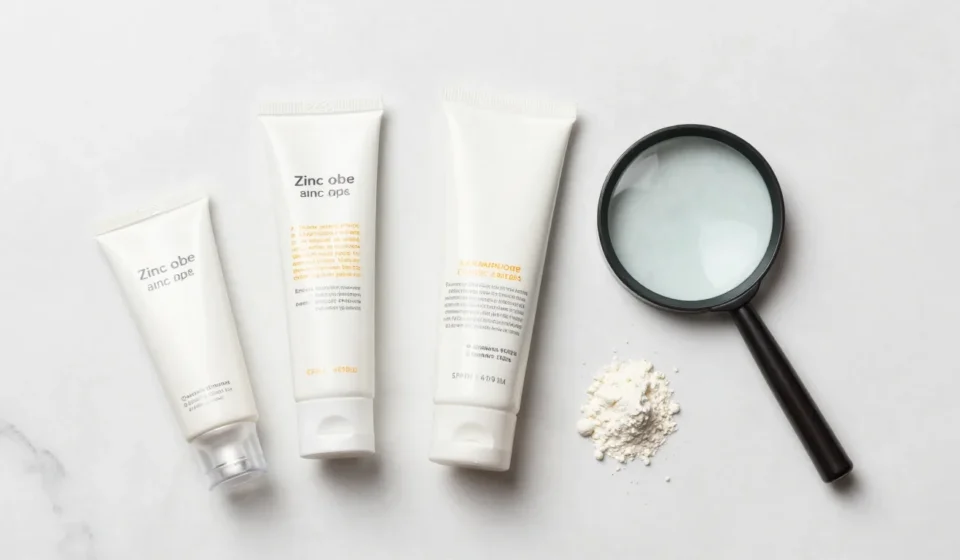

Switching to Mineral Sunscreen: Why It May Cause Breakouts
Switching to mineral sunscreen often triggers breakouts because many formulas are thicker and leave a white cast. However, the real culprit is usually incompatible base ingredients or improper removal.
Zinc oxide and titanium dioxide are non-comedogenic, but emulsifiers, oils, or silicones in the carrier can clog pores.
Understanding this helps you choose wisely. Your skin may need time to adjust to the new texture and ingredients.
Patience and proper skincare prep are key during this transition.
Step 1: Audit Your Current Skincare Routine
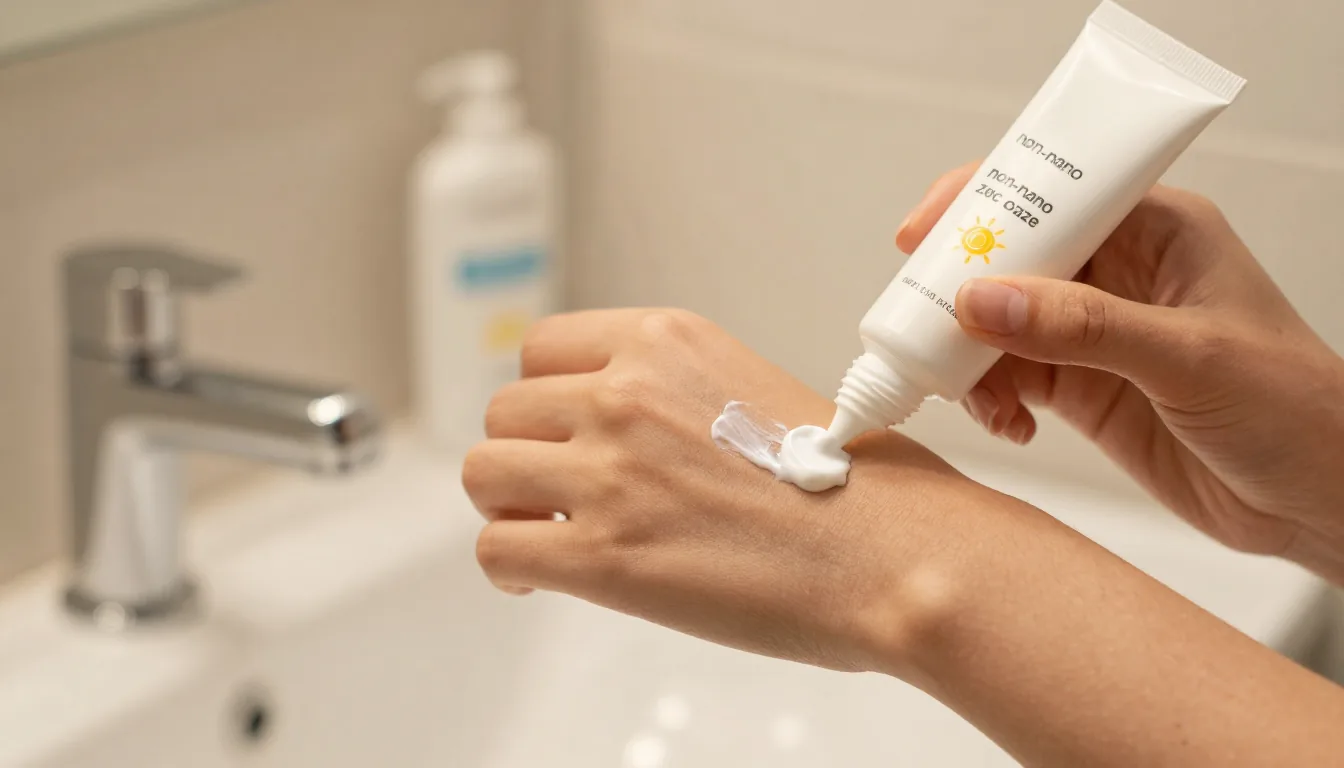
Before making the switch, list every product you use. Identify any active ingredients like retinol, AHAs, or niacinamide.
Mineral sunscreens sit on the skin's surface, so they need proper layering. If your moisturizer has oils that don't mix well, breakouts may follow.
Consider dialing back exfoliating actives a week before starting.
This reduces irritation risk during the adjustment period. A simplified routine helps isolate any reaction to the new sunscreen.
Step 2: Choose the Right Mineral Filter
Zinc oxide offers broad-spectrum protection and is anti-inflammatory—ideal for acne-prone skin. Titanium dioxide is less likely to cause irritation but provides less UVA protection.
For oily or acneic skin, opt for non-nano zinc oxide formulas labeled “oil-free” or “non-comedogenic.”
When switching to mineral sunscreen, seeking a lightweight formula matters. Look for "transparent" or "sheer" claims to minimize white cast.
This encourages consistent daily use.
Step 3: Read the Ingredient List Carefully
Avoid mineral sunscreens with coconut oil, shea butter, or heavy silicones like dimethicone. Instead, look for lightweight carriers such as squalane, glycerin, or cyclopentasiloxane.
Check for potential irritants like fragrance or essential oils, which can trigger breakouts in sensitive skin.
Many mineral sunscreens now include soothing ingredients like niacinamide or green tea extract. These can help calm the skin during the transition.
Opt for fragrance-free options to reduce sensitization.
Step 4: Perform a Patch Test
Apply a small amount behind your ear or on your jawline for three consecutive days. Observe for any redness, bumps, or clogged pores.
If no reaction occurs, test on half of your face for another three days.
This step is critical when switching to mineral sunscreen with unfamiliar ingredients. It prevents widespread breakouts from a poor match. Always patch test new products, especially when changing sun protection.
Step 5: Adjust Your Cleansing Method
Mineral sunscreens require double cleansing to remove thoroughly. Use an oil-based cleanser followed by a water-based one.
Inadequate removal leaves residue that mixes with sebum and causes breakouts.
Micellar water may not be sufficient; try a cleansing balm or oil. After switching to mineral sunscreen, committing to proper cleansing prevents clogged pores.
This routine also dissolves makeup and impurities effectively.
Step 6: Layer Correctly
Apply mineral sunscreen as the last step of your morning routine, after moisturizer. Wait two minutes between layers to prevent pilling.
If you use makeup, choose powder minerals over liquids to reduce occlusion.
Reapply with a powder sunscreen brush to avoid disturbing makeup. Proper layering ensures even protection and minimizes white cast.
Consistent application is vital when switching to mineral sunscreen.
Step 7: Monitor and Adapt
Keep a skin diary for two weeks. Note any breakouts and correlate them with products.
If you still experience bumps, switch to a formula with only zinc oxide and minimal ingredients.
For more guidance, visit our Beauty & Skincare hub. Also, check out this study on sunscreen irritancy and AAD’s sunscreen recommendations.
Switching to mineral sunscreen is a gradual process, but the benefits for sensitive skin are worth it. With careful selection and routine adjustments, you can protect your skin without breakouts.
Embrace the transition with these proven steps.