Glycolic Acid vs. Lactic Acid: Which AHA Erases Dark Spots and Refines Texture Best?

Glycolic Acid vs Lactic Acid: Molecular Size and Potency
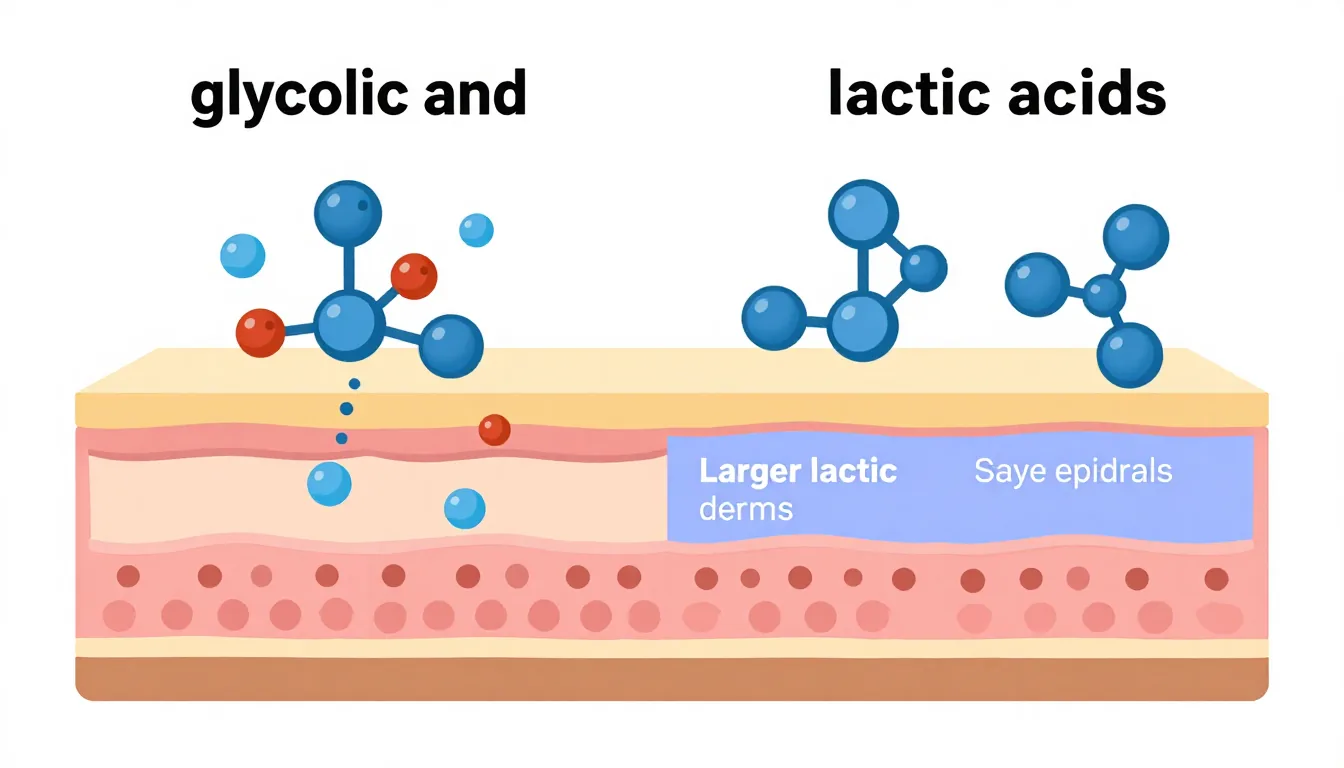
The debate of glycolic acid vs lactic acid often begins with their molecular structures. Glycolic acid, derived from sugarcane, has the smallest molecular size of all AHAs. This tiny structure allows it to penetrate deeply and rapidly, making it highly potent for exfoliation.
In contrast, lactic acid, sourced from milk, has a larger molecular structure. This slows its absorption and provides a gentler action on the skin.
Because of these size differences, glycolic acid typically requires lower concentrations to achieve similar exfoliating effects.
A 5% glycolic solution can be more aggressive than a 10% lactic formulation. This potency is key when treating stubborn Beauty & Skincare concerns like deep hyperpigmentation and rough texture.
How Molecular Weight Affects Skin Penetration
Glycolic acid boasts a molecular weight of just 76 Da, allowing it to infiltrate the stratum corneum quickly. This speed can lead to visible results faster, but also increases the risk of irritation.
Lactic acid, at 90 Da, is slightly larger and slower, making it more suitable for sensitive or dry skin types.
A study on AHA penetration (NCBI) confirms that smaller molecules induce more profound exfoliation. However, they also cause a higher stinging sensation. Therefore, your choice depends on your skin’s tolerance and the severity of texture issues.
Hyperpigmentation Showdown: Efficacy and Skin Tone Safety
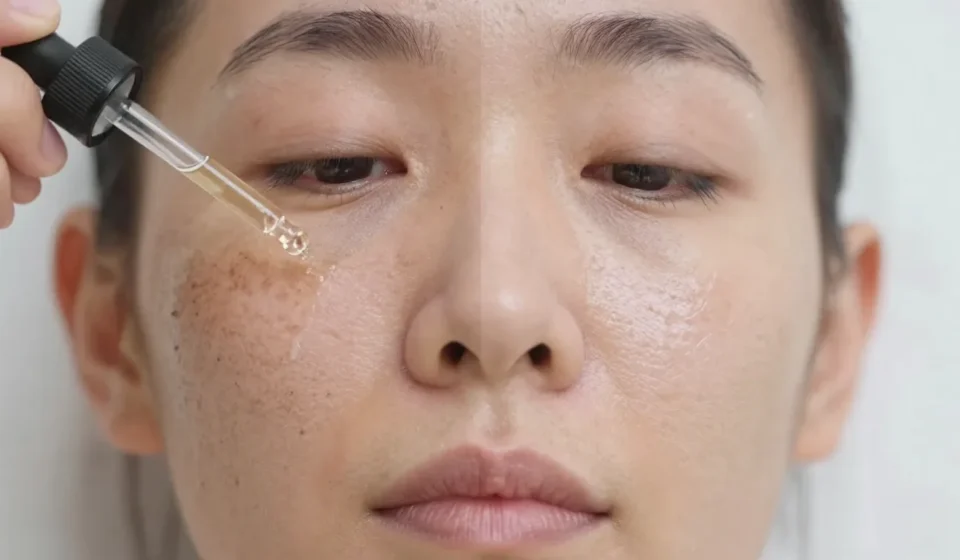
Both acids inhibit tyrosinase activity, reducing melanin production. However, glycolic acid vs lactic acid for dark spots involves a trade-off. Glycolic acid’s deep penetration can break down stubborn melasma and post-inflammatory hyperpigmentation (PIH) more aggressively.
But it may cause post-inflammatory hyperpigmentation in darker skin tones (Fitzpatrick IV-VI) if overused. Lactic acid, being gentler, is often preferred for olive, tan, or deep complexions.
It not only lightens spots but also boosts ceramide synthesis, improving barrier function.
A review on chemical peels (American Academy of Dermatology) highlights that lactic peels are safer for ethnic skin. When you compare glycolic acid vs lactic acid for hyperpigmentation, lactic acid often wins for safety.
Texture Refinement: Which Smoothes Better?
When addressing rough texture, enlarged pores, or fine lines, glycolic acid tends to deliver faster smoothing. Its small size climbs deeper into dermal layers, stimulating collagen production.
However, this comes with a higher potential for peeling and redness.
Lactic acid, on the other hand, excels at gentle exfoliation while hydrating. Its humectant properties draw moisture to the skin, making it ideal for those with concurrent dehydration.
For mild texture issues and a slow-but-steady approach, lactic acid wins.
Choosing Based on Your Skin Type and Condition
If you have oily, resilient skin and significant sun damage, glycolic acid can be transformative. Start with low concentrations (5-7%) twice a week, gradually increasing.
Always use a high-SPF sunscreen, as AHAs increase photosensitivity.
For dry, sensitive, or reactive skin, lactic acid is the safer bet. Even at 10-12%, it rarely causes stinging.
It also pairs well with other actives like niacinamide to enhance brightening without over-exfoliation.
Practical Routine Integration
Both acids should be applied to clean, dry skin at night. Avoid layering with other strong actives like retinol or vitamin C on the same evening.
A typical routine: cleanse, apply AHA, wait 15 minutes, then moisturize.
Use Healthline’s guide for product recommendations. Ultimately, the choice between glycolic acid vs lactic acid hinges on your skin’s tolerance and the depth of your concerns. For rapid, dramatic improvement, glycolic leads; for safety and comfort, lactic is king.
Consult a dermatologist if uncertain. Both AHAs have unique benefits, and understanding glycolic acid vs lactic acid helps you pick the best exfoliant for your hyperpigmentation and texture goals.