
What Creates Microclimates in Your Landscape?
Garden microclimates arise from subtle differences in sun exposure, slope, wind, and moisture. A south-facing wall absorbs heat and radiates it at night, creating a warm pocket.
Low-lying areas collect cold air, forming frost pockets that can surprise new gardeners.
Sun Exposure and Slope
South-facing slopes receive more direct sunlight, warming the soil earlier in spring. This can give you a jump on the growing season by several weeks.
North-facing slopes stay cooler and retain moisture longer, which is ideal for shade-loving plants. Recognizing these garden microclimates helps you plan effectively.
Even a gentle incline can shift temperatures by several degrees. Observing these patterns helps you map your garden’s unique climate zones.
Use this knowledge to place sun-hungry crops where they thrive best.
Structures and Hardscapes
Walls, fences, and patios absorb solar energy during the day and release it slowly at night. Such garden microclimates can extend the growing season for heat-loving plants like tomatoes by providing extra warmth.
Conversely, shaded spots under eaves or large trees remain cooler and moister, creating a refuge for ferns and hostas.
Water Bodies and Soil Type
Ponds and streams moderate temperature, keeping nearby areas cooler in summer and warmer in winter. Sandy soil drains quickly, creating a drier microclimate that suits drought-tolerant plants.
Clay soil holds moisture, leading to cooler, wetter conditions that favor moisture-loving species.
How to Identify Garden Microclimates in Your Yard
Spend time observing your garden at different times of day and across seasons. Note where frost settles first in autumn and where snow melts earliest in spring.
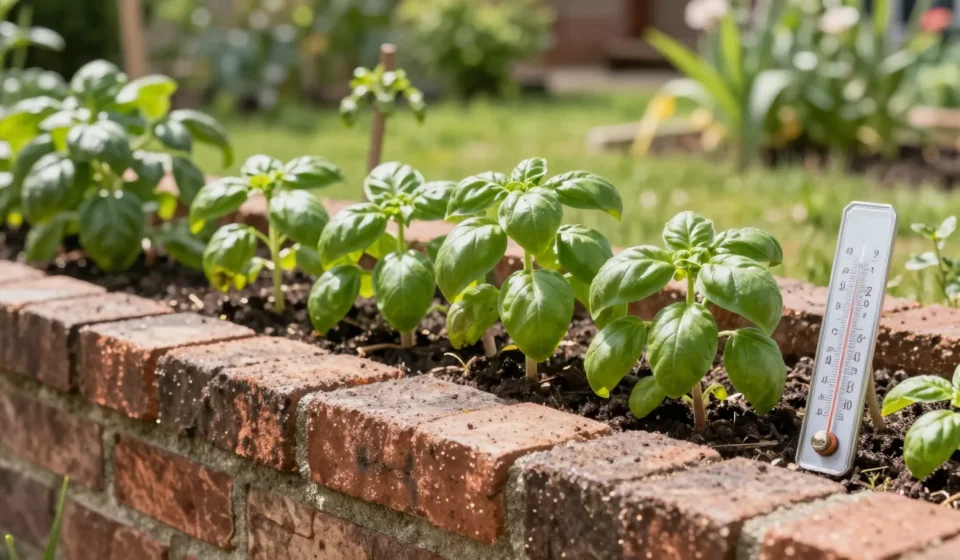
Use a simple thermometer to compare temperatures in different spots, recording both day and night readings.
Observing Frost Pockets
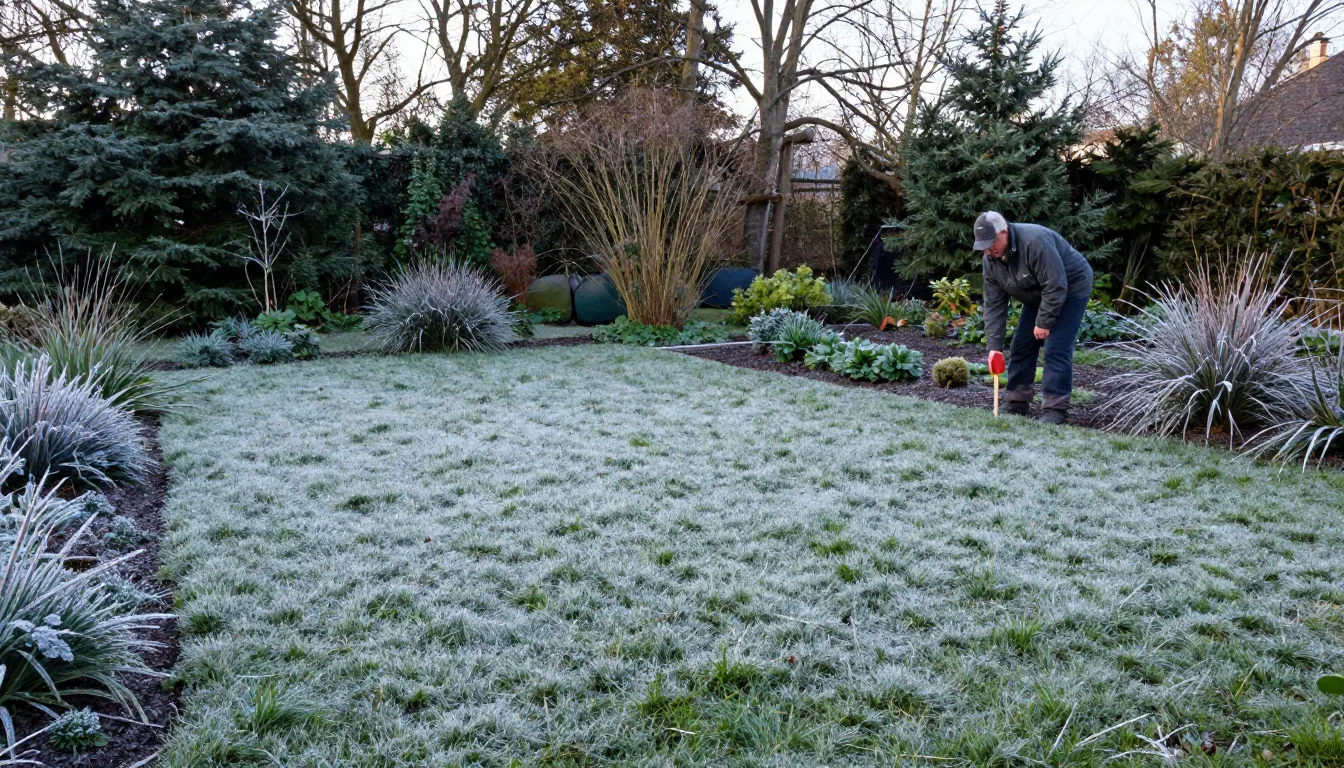
Cold air flows downhill, so the lowest points in your garden are often frost pockets. Mark these areas and avoid planting tender species there.
Instead, reserve them for hardy plants like kale or evergreens that appreciate a longer chill period. Frost pockets are a common type of garden microclimate that requires careful plant selection.
Noticing Wind Patterns
Wind intensifies drying and cooling, stressing vulnerable plants. Observe where leaves rustle most and where shelter is provided by hedges or buildings.
Use windbreaks like fencing or dense shrubs to create protected microclimates for sensitive specimens.
Using a Thermometer
Place a max-min thermometer in different microclimate zones and record readings over a week. You may find differences of 5–10°F between a sunny wall and a shaded corner.
This data guides precise plant placement, ensuring each species gets its ideal conditions.
Using Warm and Cool Microclimates to Extend Your Growing Season
By leveraging warm microclimates, you can start spring planting earlier and extend autumn harvests. Cool microclimates allow you to grow crops that bolt in heat, like lettuce and spinach, well into summer.
Understanding these patterns makes your garden more productive and resilient.
Warm Spots for Tender Plants
Plant basil, peppers, and melons near a south-facing wall or on a slope. These warm garden microclimates boost growth significantly, offering extra heat units for better yields.
In cooler climates, you might even grow heat-loving perennials like lavender with success.
Cool Spots for Shade-Lovers
Shady spots under trees or on the north side of buildings suit ferns, hostas, and bleeding hearts. Cool garden microclimates provide essential shade, allowing these plants to thrive with consistent moisture.
Grouping them in cool spots reduces watering needs and maintenance.
Planting Strategies for Each Microclimate Type
Match the plant’s natural preferences to the microclimate conditions you’ve identified. Group plants with similar needs together to reduce watering and maintenance.
Over time, you’ll develop intuitive knowledge of your garden’s unique patches.
Wetter Spots: Embrace Moisture-Loving Plants
Areas near downspouts or in depressions stay wetter than surrounding ground. These wet garden microclimates suit moisture-loving plants like iris, sedge, and cardinal flower.
They will flourish without extra irrigation and help absorb runoff naturally.
Drier Spots: Choose Drought-Tolerant Varieties
South-facing slopes and sandy patches dry out quickly, challenging water-hungry plants. Drier garden microclimates demand drought-tolerant species like lavender, yarrow, and sedum.
Avoiding thirsty plants in these areas reduces your garden’s water consumption.
The Role of Soil and Mulch in Creating Microclimates
Soil type and ground cover dramatically influence garden microclimates. Dark soils absorb more heat, warming the root zone for early crops.
Adding organic mulch moderates soil temperature, keeping roots cooler in summer and warmer in winter.
Light-colored mulches like gravel reflect heat, creating cooler spots for delicate plants. In contrast, black plastic mulch warms the soil quickly for heat-loving vegetables.
Experiment with different mulches to fine-tune your garden microclimates throughout the season.
Understanding your garden microclimates is a powerful way to work with nature rather than against it. By observing, recording, and planting accordingly, you create a resilient and productive landscape.
For more guidance on seasonal planting and organic care, explore our Gardening & Nature archive. For further reading, check out the RHS guide to microclimates. Additionally, the University of Minnesota extension article provides excellent tips.